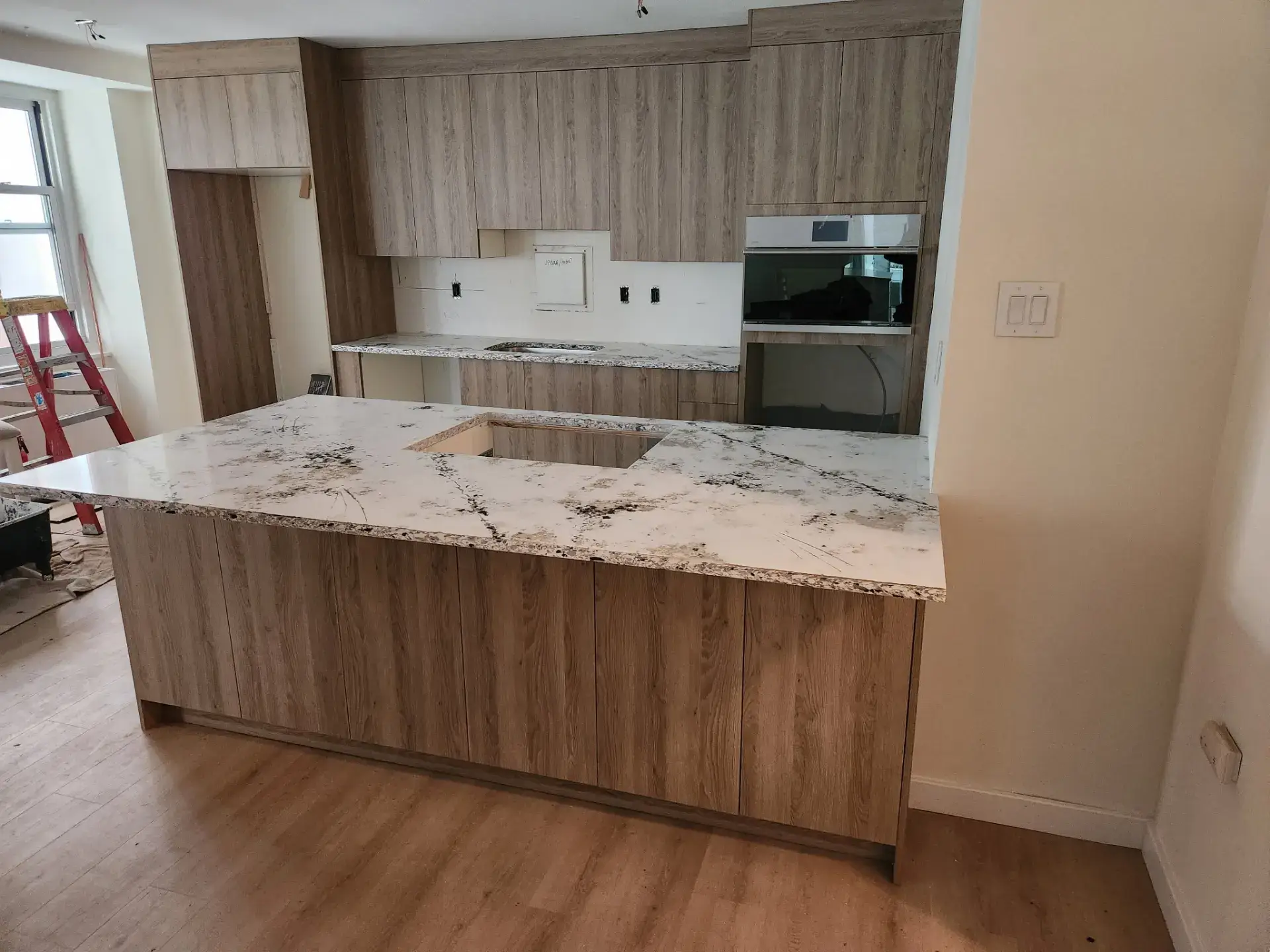
Renovating a kitchen is one of the biggest investments a homeowner can make, and cabinets consume the largest share of that budget. Naturally, wholesale cabinets attract serious attention because they promise significant savings. But savings only matter if the product holds up over time.
The honest answer is nuanced. Wholesale cabinets range from surprisingly solid to genuinely disappointing, depending on the supplier, the product tier, and how carefully you shop. Understanding what separates good wholesale cabinets from poor ones puts you in control of the outcome.
This guide breaks down cabinet quality honestly, explains what to look for before spending a dollar, and helps you decide whether wholesale is the right path for your kitchen remodel.
What “Wholesale Cabinets” Usually Means
The term “wholesale cabinets” gets used loosely. It can mean cabinets sold directly from a manufacturer, products distributed through a warehouse without a retail markup, or simply cabinets marketed at a lower price point than what you find in showrooms.
Common supply chains and product tiers
Most wholesale cabinets move through one of three supply chains. Some come directly from overseas manufacturers, primarily from factories producing large volumes at competitive costs. Others come from domestic manufacturers who sell through wholesale distributors rather than retail showrooms. A third group involves cabinet suppliers who import and warehouse stock cabinets, then sell them online or through warehouse-style stores.
The table below summarizes the most common product tiers found in the wholesale cabinet market.
| Tier | Typical Construction | Price Range | Best For |
|---|---|---|---|
| Budget | Particleboard box, stapled joints | Lowest cost | Rentals, flips |
| Midrange | Plywood or MDF box, glued joints | Moderate | Primary residences |
| Premium Wholesale | Plywood construction, dovetail joints | Higher wholesale cost | Long-term homes |
Understanding which tier a supplier actually sells is the first step toward making a smart purchase decision.
How wholesale differs from retail and custom cabinetry
Retail cabinets sold through big-box stores carry significant markup to cover showroom overhead, staff, and marketing. Wholesale cabinets eliminate much of that overhead, which is where the savings originate. The cabinets themselves may come from the same factories as some retail products.
Custom cabinetry sits at the opposite end of the spectrum. A skilled cabinet maker builds to your exact specifications using materials you select. That level of control comes at a premium price that wholesale simply cannot match.
Semi custom cabinets occupy the middle ground. They offer more size and style flexibility than stock cabinets but cost less than fully custom work. Wholesale suppliers increasingly offer semi custom options, blurring the traditional boundaries between these categories.
How to Judge Cabinet Quality
Cabinet quality is not a single measurement. It is the sum of several components working together. Evaluating each one separately gives you a clear picture of what you are actually buying.
Materials, box construction, and joinery
The cabinet box is the structural foundation. Plywood construction is widely considered the gold standard because plywood resists moisture, holds screws firmly, and maintains structural integrity over decades of use. MDF cabinets offer a smooth surface for paint finishes but are heavier and more vulnerable to moisture damage at edges and joints.
Particleboard is the least durable option. It is common in budget wholesale cabinets and performs adequately in dry conditions, but swells and deteriorates when exposed to moisture near sinks or dishwashers.
Cabinet box construction methods matter just as much as materials. Look for these joinery types:
- Dovetail joints on drawer boxes, which interlock mechanically for lasting strength
- Dado joints where shelves meet cabinet sides, creating a recessed channel for stability
- Glued and stapled construction, which is acceptable in midrange products
- Staple-only construction, which is a red flag in any cabinet claiming durability
Cabinet durability begins with the box, and no amount of attractive door styling compensates for weak structural construction underneath.
Doors, finishes, hardware, and soft-close components
Cabinet door styles influence aesthetics, but door construction determines longevity. Solid wood cabinet doors expand and contract with humidity changes, which is natural and manageable. MDF doors painted with a quality finish resist warping better in high-humidity environments like kitchens.
Cabinet finish quality is visible in the details. Look for smooth, even coats without bubbling, drips, or thin spots near edges. A quality finish protects the underlying material from moisture and daily wear.
Cabinet hardware is often overlooked during the buying process. Hinges and drawer slides take thousands of cycles of use over the life of a kitchen. Soft close hinges and soft close drawer slides are now standard in midrange and premium wholesale cabinets. They reduce wear, prevent slamming, and signal that a manufacturer invested in functional components rather than just appearance.
Key hardware features worth evaluating include:
- Full-extension drawer slides that allow complete access to drawer contents
- Soft close hinges with adjustable tension settings
- Six-way adjustable hinges for precise door alignment after installation
- Drawer box material, with solid wood or plywood preferred over particleboard
What certifications, warranties, and specifications reveal
Certifications provide third-party verification of quality claims. The Kitchen Cabinet Manufacturers Association certification program tests cabinets against structural and finish standards. CARB compliance certification confirms that formaldehyde emissions from composite materials meet safety standards, which matters for indoor air quality.
A cabinet warranty communicates how much confidence a manufacturer has in its own product. A limited lifetime warranty on the cabinet box and a multi-year warranty on hardware components are reasonable expectations from reputable wholesale suppliers.
Specifications sheets reveal construction details that marketing language often obscures. Request them before ordering and look for precise measurements of box thickness, drawer slide weight ratings, and hinge cycle ratings.
Are Wholesale Cabinets Good Quality?
The direct answer is yes, wholesale cabinets can be good quality, but that answer depends entirely on which wholesale cabinets you choose. The category is too broad for a single verdict.
When wholesale cabinets deliver strong value
Wholesale cabinets deliver excellent value when you select a reputable supplier offering plywood construction, quality hardware, and transparent specifications. Many homeowners complete beautiful, durable kitchen remodels using wholesale ready to assemble cabinets that perform comparably to mid-tier retail products at a fraction of the cost.
Ready to assemble cabinets from established wholesale suppliers often use the same manufacturing facilities as branded retail products. The difference is packaging, marketing, and distribution channel rather than fundamental construction quality.
Strong value scenarios for wholesale cabinets include:
- Primary kitchen renovations where plywood construction and quality hardware are confirmed
- Rental property upgrades where cost efficiency matters and durability is still required
- Secondary spaces like laundry rooms, garages, or home offices where premium custom work is unnecessary
- Homeowners with installation skills who can assemble ready to assemble cabinets correctly

Common quality tradeoffs and red flags
Budget wholesale cabinets often cut costs in ways that create problems within a few years. Particleboard boxes near moisture sources deteriorate. Staple-only joinery loosens under the weight of dishes and cookware. Thin finishes chip and peel faster than quality coatings.
Watch for these red flags when evaluating wholesale cabinet suppliers:
- No specification sheets available or vague material descriptions
- No certifications mentioned for emissions or structural standards
- Warranty limited to one year or covering only finish defects
- No sample program or physical inspection option before bulk ordering
- Cabinet pricing that seems impossibly low even for wholesale
Frameless cabinets and face frame cabinets each have legitimate applications, but a supplier who cannot clearly explain which construction type they offer and why is not a supplier worth trusting with a significant purchase.
Differences between budget, midrange, and premium wholesale options
Budget wholesale cabinets prioritize price above everything else. They work for short-term applications but are not designed for decades of daily use. Midrange wholesale cabinets represent the sweet spot for most homeowners. They use plywood construction or quality MDF, include soft close components, and carry reasonable warranties.
Premium wholesale cabinets close the gap with semi custom and even some custom options. They feature plywood construction throughout, dovetail drawer joints, solid wood door frames, and comprehensive warranties. Cabinet pricing at this tier is higher than budget wholesale but still significantly below custom cabinetry.
The key insight is that midrange and premium wholesale cabinets from reputable cabinet suppliers genuinely compete with retail products on quality while maintaining meaningful cost advantages.
How to Buy Wholesale Cabinets Wisely
Smart purchasing decisions require asking the right questions, comparing physical samples, and understanding what happens if something goes wrong after delivery.
Questions to ask suppliers before ordering
Never place a large cabinet order without getting clear answers to specific questions. Vague or evasive responses are informative in themselves.
Ask these questions directly:
- What material is the cabinet box made from, and what is the thickness?
- Are drawer boxes constructed from solid wood, plywood, or particleboard?
- What type of joinery is used on drawer boxes?
- Are soft close hinges and drawer slides included as standard?
- What certifications does the product carry?
- What does the warranty cover, and for how long?
- What is the return or replacement policy for damaged or defective pieces?
A supplier confident in their product answers these questions readily. One who deflects or provides only marketing language deserves skepticism.
How to compare samples, reviews, and return policies
Request physical door samples before committing to a full kitchen order. Examine the finish closely under bright light. Check the weight and feel of the door. Open and close any hardware included with the sample to assess soft close quality.
Cabinet reviews from verified purchasers provide real-world performance data that specification sheets cannot capture. Look for reviews that mention long-term use rather than only initial impressions. Pay attention to comments about cabinet durability, finish holding up over time, and how the supplier handled problems.
Return policies reveal how much a supplier stands behind their product. A reasonable policy covers damaged items, defective components, and order errors without requiring the customer to absorb significant costs. Suppliers who make returns difficult are signaling that problems are common enough to require restrictive policies.
When professional installation matters
Cabinet installation quality directly affects how well even excellent cabinets perform over time. Improperly leveled cabinets stress frames and cause doors to misalign. Incorrect fastening into wall studs creates safety risks and structural problems.
Ready to assemble cabinets require accurate assembly before installation. Errors in assembly compromise the structural integrity that the joinery system was designed to provide.
Professional cabinet installation is worth the cost when:
- The kitchen layout involves complex angles, soffits, or unusual ceiling heights
- Plumbing or electrical work must be coordinated with cabinet placement
- The homeowner lacks experience with leveling, shimming, and fastening techniques
- Premium wholesale cabinets represent a significant financial investment worth protecting
Conclusion
Wholesale cabinets are not automatically good or bad. They span a wide quality range, and the outcome of your kitchen remodel depends on how carefully you evaluate suppliers, materials, and construction details before ordering. Midrange and premium wholesale options from reputable cabinet suppliers deliver genuine quality at meaningful savings compared to retail and custom alternatives. Budget wholesale cabinets serve specific purposes but are not appropriate for primary kitchens expecting long-term durability. Do the research, request samples, ask direct questions, and the wholesale market offers real value.
FAQ
Are wholesale cabinets cheaper because they are lower quality?
Not necessarily. Wholesale cabinets are cheaper primarily because they eliminate retail overhead, showroom costs, and marketing expenses. Many wholesale products use identical or comparable materials and construction methods to retail cabinets. The savings come from the supply chain, not from compromised cabinet quality. That said, some budget wholesale cabinets do use lower-grade materials to hit extremely low price points, which is why evaluating specifications matters before purchasing.
What features matter most when comparing cabinet quality?
Cabinet box material is the most important factor, with plywood construction outperforming particleboard significantly in moisture resistance and long-term durability. Drawer box construction and joinery type, particularly dovetail joints, indicate overall build quality. Soft close hinges and full-extension drawer slides reflect investment in functional hardware. Finish quality, certifications, and warranty terms round out the evaluation. Prioritize these structural and functional elements over door style aesthetics.
Can wholesale cabinets be as durable as custom cabinets?
Premium wholesale cabinets using plywood construction, quality joinery, and solid wood components can match the durability of many custom cabinets. The primary advantage of custom cabinetry is precise fit and material selection flexibility, not necessarily superior durability in every case. A well-constructed wholesale cabinet installed correctly will serve a kitchen reliably for many years. The gap between premium wholesale and custom narrows considerably when you focus on construction quality rather than brand name or purchase channel.